Welfare can be a part of a capitalist or socialist system, but is not those systems itself. You are trying to slice up parts of a cohesive system and treat those constituent parts as though they form an independent system themselves, but this is incorrect. The consequences of this error result in confused understandings of bodies like the US military as “socialism,” despite being a tool of monopoly finance capital. This is why the identity of an overall system is in its principal aspect, as this principal aspect determines how the rest of the system functions.
As for the USSR, it was run by the working classes. Classes are relations to ownership of production and distribution, not simply income levels or levels of administrative authority. You are referring to workers in the central committee and CPSU as “elites,” yet they were paid wages and did not own any capital. Just like a principal is the same class as a teacher, so too are administrators in socialist economies the same class as factory workers. The USSR had a form of democracy that began at the local level, and laddered upwards through councils called Soviets.
The US Empire is not democratic. The only viable political parties are those run and owned by capitalists, so candidates are representatives of that class. The media is owned by the capitalist class as well. The majority does not run society, they pick between outcomes already decided as okay by the capitalist class.
In trying to slice up systems and pretend there is no meaningful interaction between these, and that instead these systems are functionally independent, you are making metaphysical errors in analysis.
You are trying to slice up parts of a cohesive system and treat those constituent parts as though they form an independent system themselves, but this is incorrect.
Ah, I see the issue here. I am not arguing that the system is entirely capitalist or socialist. I am arguing that a system can contain sectors that operate under one system while other sectors operate under the other. The “principal aspect” certainly applies as a general description of the whole, but that doesn’t change the nature of individual elements.
Classes are relations to ownership of production and distribution, not simply income levels or levels of administrative authority
I would argue classes are determined by power. In the USSR, the power was held by the government and organized crime, not workers.
The US is a democratic republic. No matter how much capital you have, you can’t gain power without convincing people to vote for you. Granted money makes this easier, but it is not sure thing. Look at Elon Musk. He tried to use his money to force his way into government with that DOGE thing, but it failed miserably and he was pushed back.
The majority does not run society, they pick between outcomes already decided as okay by the capitalist class.
Was it any different in the USSR with the party making all the choices? Power always sets up the game board we all play on.
The principal aspect of the economy is the driving force of the economy, and determines the direction in which it develops. It does not change whether private property is private or not, but it does determine what that private property is submitted to, either it’s dominant over the economy or it’s submissive to it. To see this in practice, you can look at the FDA, and how it’s in bed with big pharma to secure drug patents and help profits over the people. This is not socialism and capitalism working together, but public property helping the dominant private property in the context of a capitalist system.
Classes are not something as vague as “power.” The reason classes are directly related to ownership of the means of production is because classes have shared class interests. The USSR was governed by the working classes, with the most energetic among them elected to become members of the Communist Party, upon which they were subjected to criticism if they did not perform well. The party regularly purged those the working classes did not support, and replenished its ranks from the rest of the working classes.
The US is a dictatorship of capital, and is far less democratic than the USSR was. Even your example of Elon Musk is horribly flawed, he was not kicked out by workers, but by rival capitalists. The class dictatorship of the US always supports that class, not necessarily any and all individuals belonging to that class. This is why class analysis is important.
And to answer your question, yes, it was very different in the USSR. Factory councils, village committees, and more were run democratically. Administration was highly veted and came from the best among the working classes, and the members of the party were subject to open criticism. Corruption often came, as it does in any society, but the CPSU made a deliberate effort to kick out lazy and corrupt officials, and replenish their ranks from the working classes. This is why the Soviet Union was run by engineers, professors, miners, factory workers, and more, not capitalists like the US.


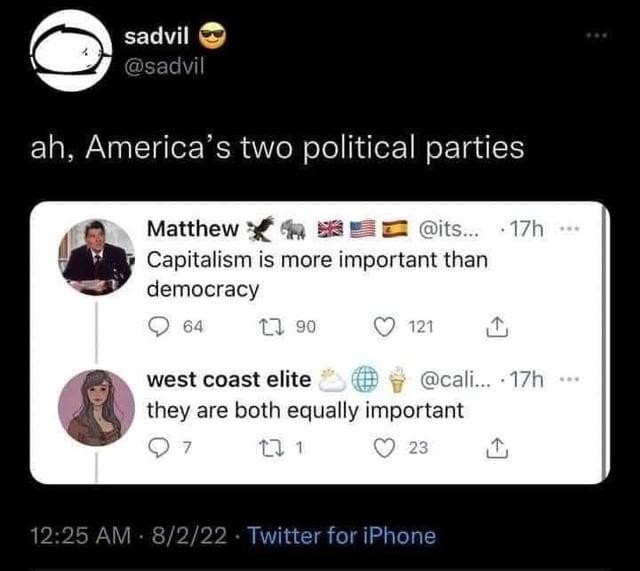
Welfare can be a part of a capitalist or socialist system, but is not those systems itself. You are trying to slice up parts of a cohesive system and treat those constituent parts as though they form an independent system themselves, but this is incorrect. The consequences of this error result in confused understandings of bodies like the US military as “socialism,” despite being a tool of monopoly finance capital. This is why the identity of an overall system is in its principal aspect, as this principal aspect determines how the rest of the system functions.
As for the USSR, it was run by the working classes. Classes are relations to ownership of production and distribution, not simply income levels or levels of administrative authority. You are referring to workers in the central committee and CPSU as “elites,” yet they were paid wages and did not own any capital. Just like a principal is the same class as a teacher, so too are administrators in socialist economies the same class as factory workers. The USSR had a form of democracy that began at the local level, and laddered upwards through councils called Soviets.
The US Empire is not democratic. The only viable political parties are those run and owned by capitalists, so candidates are representatives of that class. The media is owned by the capitalist class as well. The majority does not run society, they pick between outcomes already decided as okay by the capitalist class.
In trying to slice up systems and pretend there is no meaningful interaction between these, and that instead these systems are functionally independent, you are making metaphysical errors in analysis.
Ah, I see the issue here. I am not arguing that the system is entirely capitalist or socialist. I am arguing that a system can contain sectors that operate under one system while other sectors operate under the other. The “principal aspect” certainly applies as a general description of the whole, but that doesn’t change the nature of individual elements.
I would argue classes are determined by power. In the USSR, the power was held by the government and organized crime, not workers.
The US is a democratic republic. No matter how much capital you have, you can’t gain power without convincing people to vote for you. Granted money makes this easier, but it is not sure thing. Look at Elon Musk. He tried to use his money to force his way into government with that DOGE thing, but it failed miserably and he was pushed back.
Was it any different in the USSR with the party making all the choices? Power always sets up the game board we all play on.
The principal aspect of the economy is the driving force of the economy, and determines the direction in which it develops. It does not change whether private property is private or not, but it does determine what that private property is submitted to, either it’s dominant over the economy or it’s submissive to it. To see this in practice, you can look at the FDA, and how it’s in bed with big pharma to secure drug patents and help profits over the people. This is not socialism and capitalism working together, but public property helping the dominant private property in the context of a capitalist system.
Classes are not something as vague as “power.” The reason classes are directly related to ownership of the means of production is because classes have shared class interests. The USSR was governed by the working classes, with the most energetic among them elected to become members of the Communist Party, upon which they were subjected to criticism if they did not perform well. The party regularly purged those the working classes did not support, and replenished its ranks from the rest of the working classes.
The US is a dictatorship of capital, and is far less democratic than the USSR was. Even your example of Elon Musk is horribly flawed, he was not kicked out by workers, but by rival capitalists. The class dictatorship of the US always supports that class, not necessarily any and all individuals belonging to that class. This is why class analysis is important.
And to answer your question, yes, it was very different in the USSR. Factory councils, village committees, and more were run democratically. Administration was highly veted and came from the best among the working classes, and the members of the party were subject to open criticism. Corruption often came, as it does in any society, but the CPSU made a deliberate effort to kick out lazy and corrupt officials, and replenish their ranks from the working classes. This is why the Soviet Union was run by engineers, professors, miners, factory workers, and more, not capitalists like the US.