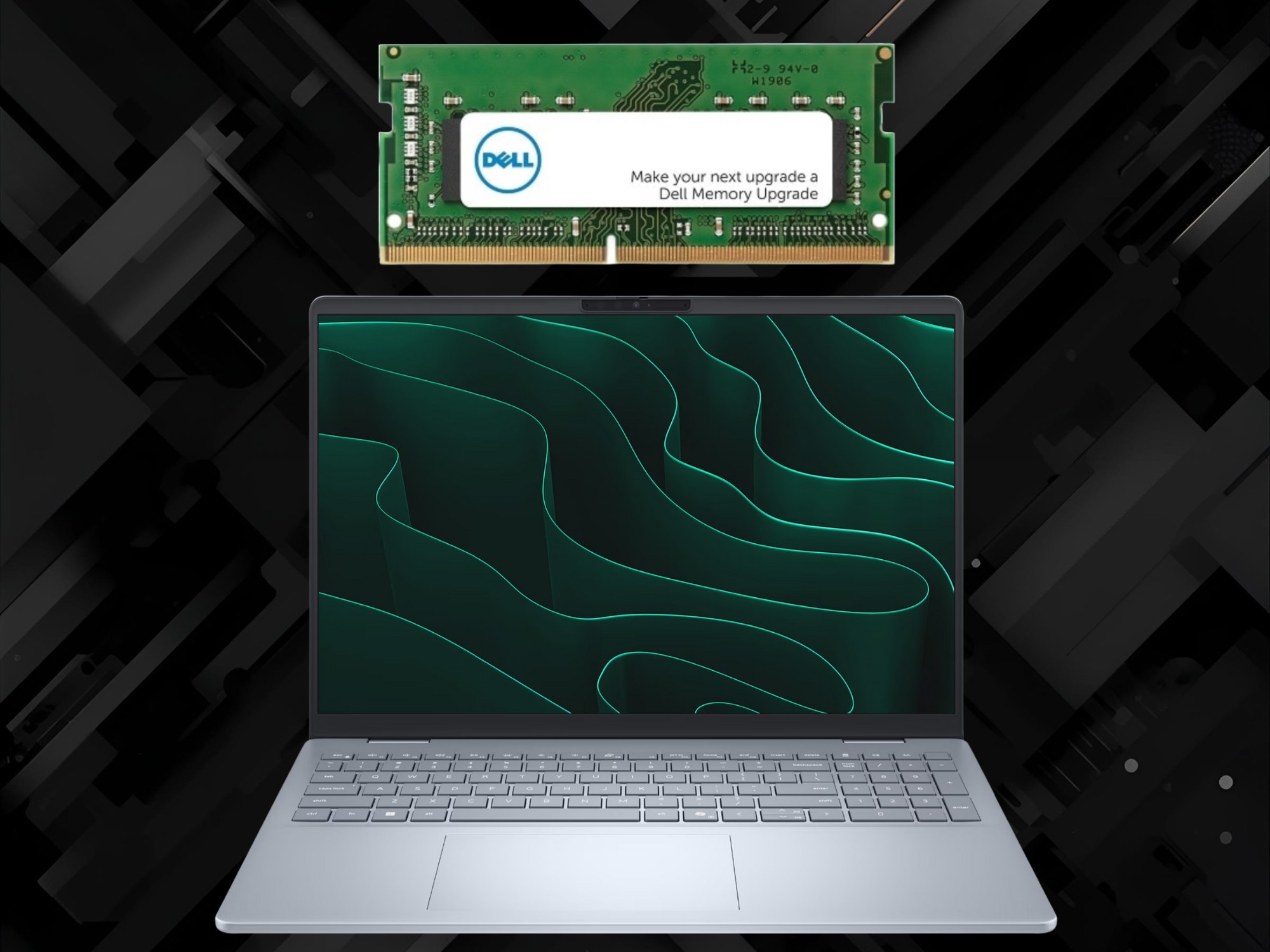
With DDR5 RAM prices skyrocketing, some mid-range laptops could soon ship with budget-level specs. TrendForce expects companies like Dell and Lenovo to stock more notebooks with 8GB of memory. These reasonably priced options may no longer handle intense office and gaming tasks.


At least one studio, Larian, has confirmed this is the case for them.
Good fuck studios just throwing optimization into the bin cause they can. They should fucking actually do some problem solving instead of brute forcing everything.
How do you take that from the comment above?
Not the person you’re responding to, but “most likely, we already need to do a lot of optimization work in early access that we didn’t necessarily want to do at that point” indicates to me that optimization was not a top priority. It’s not unusual for people to optimize after a proof of concept or something, but I imagine in gaming (I don’t do game dev admittedly) you don’t want that too late in the process. If they’re not planning on having it in early access, then their early consistent user base will be more worried about other things. If min spec is 8 then people with 4 won’t get it or won’t complain about poor performance because technically it’s their machine that’s the issue. Lack of complaints about that and feedback about other things further shifts the priority away from optimization. Plus, anyone who’s worked in dev spaces or probably any kind of deliverable knows that there are things that just don’t happen despite your best intentions. Things like optimization are the first to go in the dev space, so by openly admitting to putting it off, it does feel like an admission of “we were probably just not going to get around to it”. In my experience, the further out you plan to optimize, the more man hours you end up wasting, so I don’t see a company investing heavily in that at any point, but doing so post early launch seems wasteful if they legitimately cared about it.