

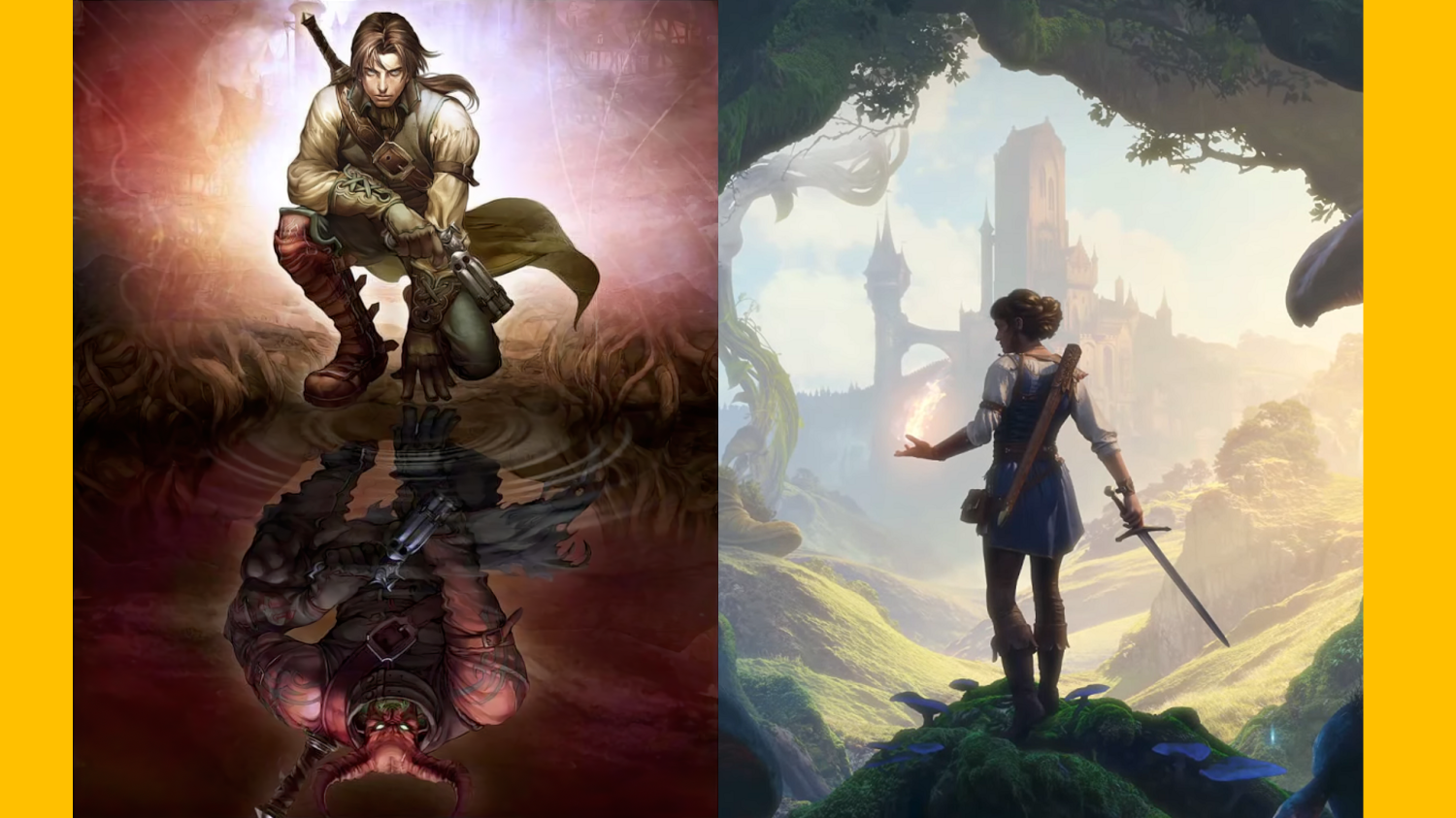
TL;DR: The new Fable game removes the traditional good and evil morality system, focusing instead on a location-based reputation that changes with each settlement. Players won’t alter their appearance based on deeds but can customize their hero’s look with cosmetics and gear.
I’d put Witcher 3 and The Alters on the list. Both of them give you choices where it’s not really clear which is the “good” or “bad” one. And if you play through both, you find that neither is one-sided - everything has pros and cons, and even if you judged one option to be morally better in the moment, you still have to live with the negative as well as the positive consequences of your actions.
Maybe you could argue that those aren’t traditional morality systems, but for me, that’s why they work.
I think what you’re getting at here might be better expressed as “Moral choices are more interesting than morality systems.”
Life Is Strange doesn’t have a morality system of any kind, but it has, easily, some of the most interesting moral choices I’ve ever experienced in a video game. One of them doesn’t even affect the ending or later story beats (to my knowledge), and yet I literally had to put the controller down and walk away because I couldn’t make that choice… Both options were so unspeakably horrible, and yet the choice was obviously and urgently necessary.
Mass Effect actually has some really interesting moral quandaries, but they’re massively undercut by the need to force them into the game’s binary moral code, instead of just allowing them to be the complex problems that they are. Morality systems boil every choice down to an arbitrary position on an arbitrary axis.
The Witcher works because it simply presents you with situations and allows you to judge them for yourself. It doesn’t present you with a score card afterwards.
Yeah, I agree, and that’s what I was trying to get at with the last point. I think morality systems in the sense of a binary choice with a scorecard is exactly why those systems are unsatisfying. Real choices have complex consequences and games are more immersive when they show that versus when everything boils down to a simple “good” or “bad.”
The games that do moral choices well do still give you feedback - alternate endings or lasting changes in the world - but it’s not as simple as one number or slider showing a morality spectrum.
Imagine if any other kind of media did the same thing. Like, you’re reading a book, and every few pages there’s a footnote telling you what the protagonist’s current Paragon/Renegade score is based on the decisions they recently made. Would be a miserable experience.
God, I love KOTOR so much, but its consequences have been a fucking disaster for the entire RPG industry.